

Body-Brain Waves
27-29th June 2025, Maastricht, NL
WAVES ’25
A special focus on the Gut & the Brain
Waves is a series of scientific events dedicating particular attention to physiological and modulatory interactions between the Body and the Brain.
We critically evaluate if and how neural excitability, information processing, and overt behavior can be influenced by the body and its peripheral physiological activity: breathing, cardiovascular and gastrointestinal activity, oculomotor dynamics and circadian rhythms complement the assessment of Brain Waves, informing and advancing our understanding of how we perceive, act, and evaluate the dynamically changing environment we live in.
In 2025, the Waves Symposium will focus on the Guts & the Brain, featuring talks and workshops on (but not limited to):
- the impact of nutrition on the brain, cognition and wellbeing;
- the enteric nervous system;
- the gut-brain axis;
- the gut microbiome.
This year, Waves is partially supported by:


IMPORTANT DATES
- When: 27-29th June 2025
- Submission: closed.
- Notification of Acceptance: 25.04.25
- Registration: 15.04.25 – 15.05.25
WAVES
Founders
Antonio Criscuolo
Maastricht University
Faculty of Psychology and Neuroscience

Prof. Dr Sonja A. Kotz
Maastricht University
Faculty of Psychology and Neuroscience

Organizing
Team
Maastricht University and Donders Institute for Brain, Cognition, and Behaviour, Nijmegen

Program
Invited speakers
The Laboratory for Brain-Gut Axis Studies (LaBGAS)
LaBGAS is a strongly interdisciplinary environment directed by
Prof. Lukas Van Oudenhove.
The lab performs cutting-edge mechanistic human microbiota-gut-brain axis studies. They use a wide range of techniques including chemical and mechanical gastrointestinal stimulation, biochemical measurements of gastrointestinal hormones and microbial metabolites, psychological manipulations and psychophysiological measurements, and functional brain imaging techniques including functional magnetic resonance imaging (fMRI) and positron emission tomography (PET).
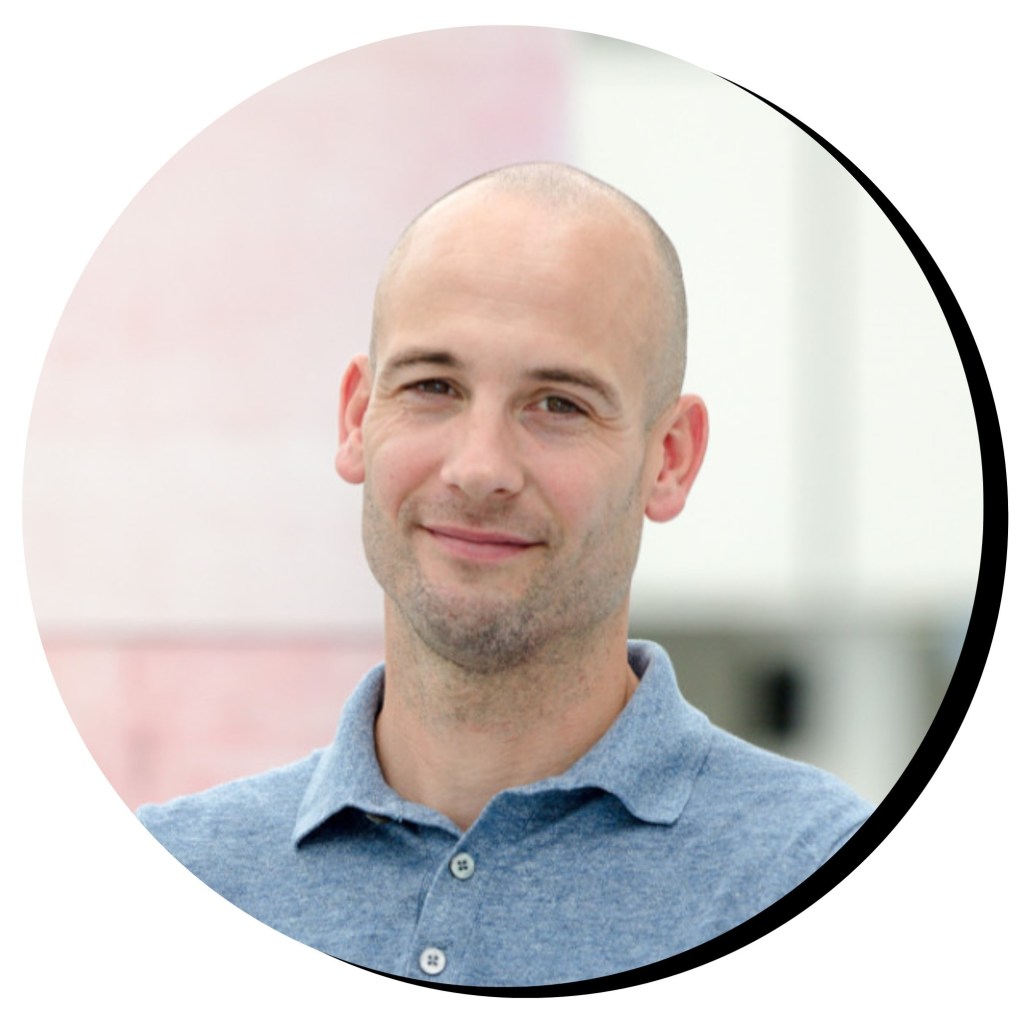
“Understanding the assembly and maintenance of the second brain”
Prof. Werend Boesmans
By focusing at the interface between gut physiology and developmental neurobiology the lab investigates the patterning and communication within the enteric nervous system, the gut brain. A common theme in the lab is to understand the role of enteric glial cells and faulty intestinal nerve circuits in the transition from gastrointestinal homeostasis to digestive diseases, cancer and brain disorders. To this end a variety of live cell imaging techniques is combined with several in vitro and in vivo models and advanced genetic and molecular tools.
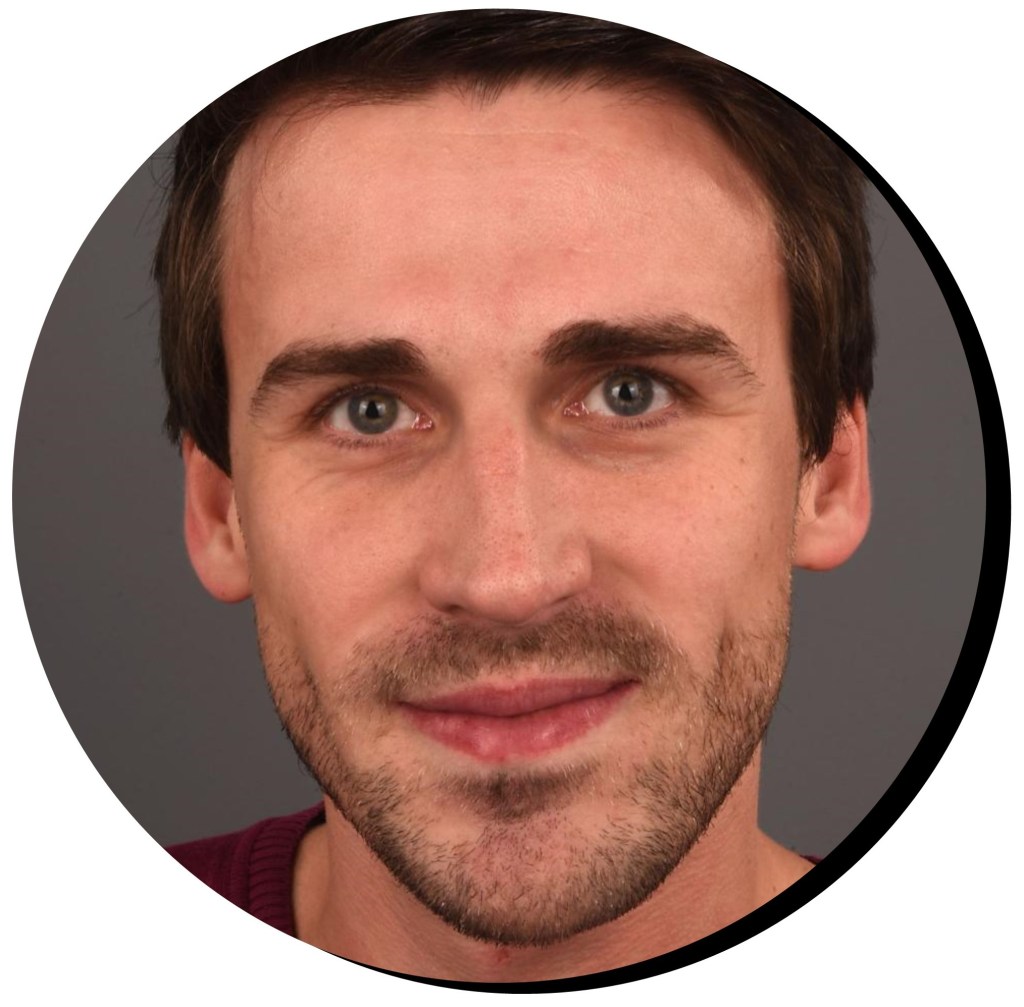
Physiology of Human Nutrition Group
The research interests within the PHuN group are focused primarily on human health in relation to nutrition and metabolism: the physiological and functional effects of nutritive and nonnutritive dietary components on metabolic aberrations, in particular related to cardiovascular disease and brain health.
Prof. Peter Joris
is interested in the effects of novel lifestyle and dietary approaches on vascular function and metabolic health in the periphery as well as in the brain, and cognitive / functional endpoints.
The group is interested in investigating the psychological and neural processes underlying how we make decisions and choices.
Dr. Aline Dantas has extensive experience in product marketing and consumer behavior of major corporations such as Nike and Adidas.
In her research, she investigates the role the gut-brain axis in decision making under risk and intertemporal choices, by combining noninvasive brain stimulation and neuroimaging techniques.

Wageningen Food & Biobased Research
Good nutrition is essential for health throughout the life-course. But which specific components contribute to which effects? Does it apply to everyone or only to specific groups?
Dr. Nicole De Wit is a senior research scientist with major expertise in gut physiology and human health.
As the expertise leader of the Consumer Nutrition & Health team, she focuses on food clinical trials to acquire up-to-date knowledge on the interaction between ingredients (e.g. on dietary fibre), food products, diets and human health.
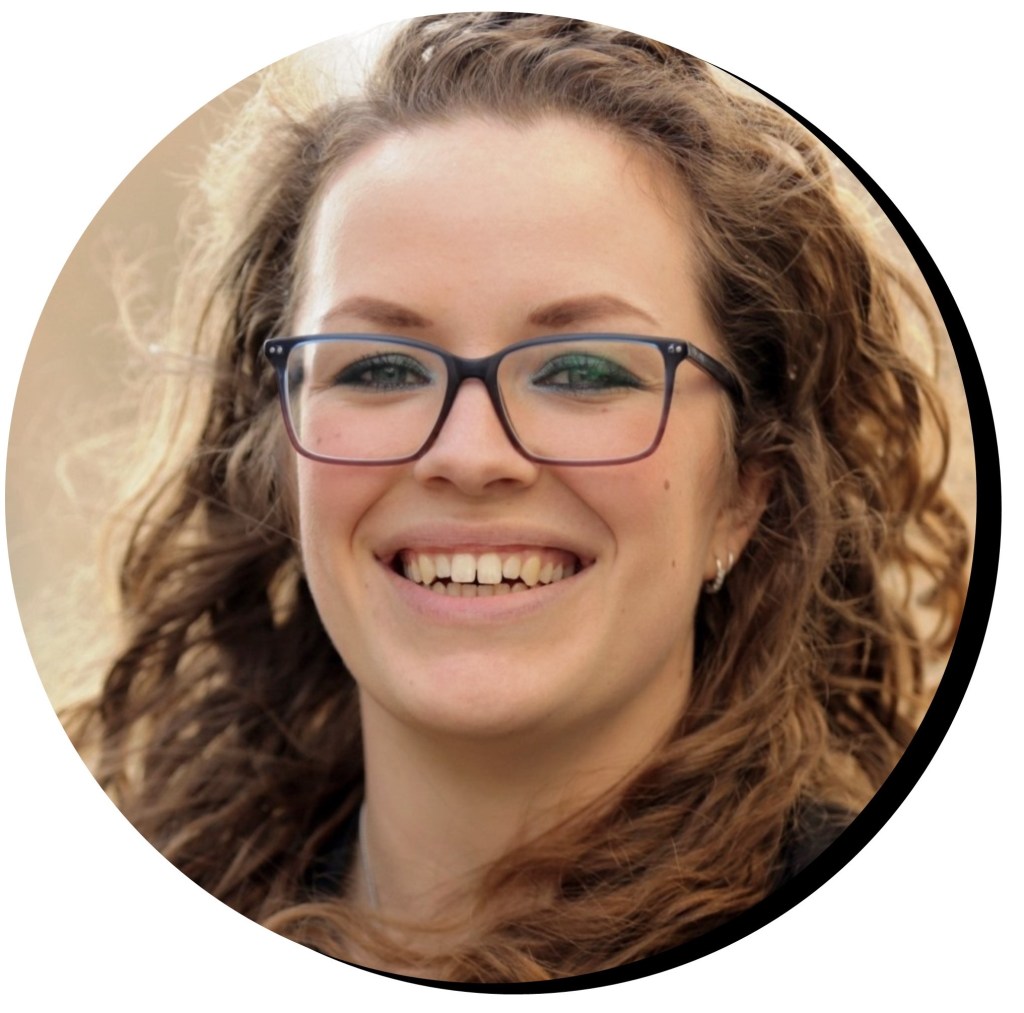
Leiden University, Clinical Psychology Unit
Dr. Laura Steenbergen investigates the microbiota-gut-brain-axis and the influence of this axis on mental processes and experiences.
She investigates whether and how the composition of gut microbiota, and interventions such as pro- and antibiotics , influence the way people feel and behave. She also examines the role of the vagus nerve in experiencing emotions and making decisions. In a wider perspective, Laura is interested in wellbeing and in research into vulnerability and prevention in relation to mental complaints.
SOCIAL EVENTS
()
()
Social events will be posted here.
Note that the registration costs do not include the fees for social events.
The fee for the social events will be collected at the registration booth in the morning.
city of Maastricht
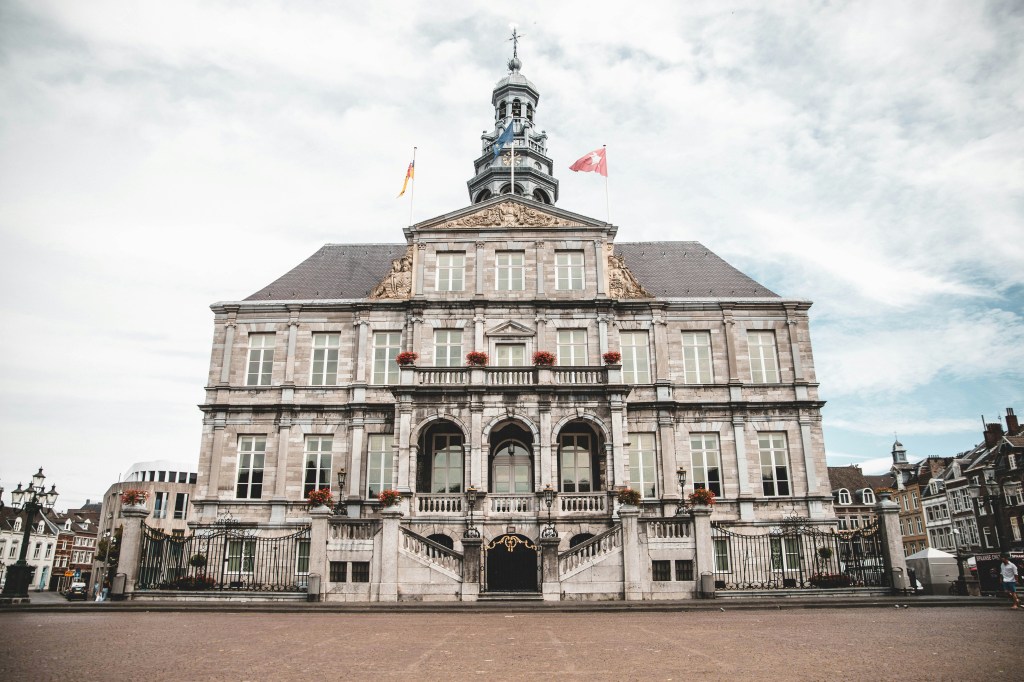
Maastricht developed from a Roman settlement (Trajectum ad Mosam) to a medieval river trade and religious centre. In the 16th century it became a garrison town and in the 19th century an early industrial centre. Today, the city is a thriving cultural and regional hub. It became well known through the Maastricht Treaty and as the birthplace of the euro.
Maastricht has 1,677 national heritage buildings (rijksmonumenten), the second highest number in the Netherlands, after Amsterdam. The city is visited by tourists for shopping and recreation, and has a large international student population.
For more info, click here.
Call for Applications
We encourage researchers at any career stage to submit an application and express preferences for a 5, 10, 15 or 20 min talk. If you wish to join as a listener only, that is possible as well.
Symposium proposals are also accepted, and should be planned to fit within 1h, including a max of 4 talks and 15min of Q&A.
The application should shortly summarize ongoing experimental research and research lines, but can also include planned studies, literature reviews and novel frameworks (including theories and opinions) in various fields of neuroscience.
For the submission, please prepare a 2-page *.pdf file organized as follows:
- 1st page: Title, authors and affiliations; preference for a talk of 5, 10, 15 or 20 min or a Symposium; max 300 (single abstract) and 500 (symposium) words abstract with references (optional);
- 2nd page: A short (150-word) bio per speaker.
Please, submit your abstract via the online submission portal.
Should you have further questions, please send an email to a.criscuolo@maastrichtuniversity.nl.
The submission deadline is provided in ‘Important Dates’ above.
Fields of research (but not limited to)
Fundamental neuroscience, cognitive neuroscience, translational neuroscience, computational neuroscience, cognitive science, experimental psychology, network science, and network physiology.
Topics of interest (but not limited to)
- the impact of nutrition on the brain, cognition and wellbeing;
- the enteric nervous system;
- the gut-brain axis;
- the gut microbiome.
You do not have to pay the conference fee at this stage.
Wait for the notification of acceptance.
For inquiries and questions, contact: a.criscuolo@maastrichtuniversity.nl
Conference
registration
Early bird (15.04 – 30.04):
- MSc and PhD students: €200
- Others: €250
Late bird (01.05 – 15.05):
- MSc and PhD students: €250
- Others: €300
Reduced price (€150) for researchers and students from Italy and the Netherlands, and for international research teams (>4 people).
Note that you can attend Waves only if you have paid the registration fee.
Check travel grant opportunities like this one.
follow the registration link here
SPONSORS
The time is ripe for a fundamental shift in how we study human brain and behavior: a more holistic, dynamic, mobile and individualized approach to the study of brain and bodily physiological signals will critically advance and foster the study of neurocognitive functions from health to pathology. However:
- Do we have the adequate research and medical equipment?
- How hard is (mobile) body-brain imaging?
Do you want to support and contribute to our Symposium?
The call for talks, demonstrations and workshops is open.
Get in touch!
CONTACT
Antonio Criscuolo
 WAVES
WAVES 